Camera and MDVR hardware

Video Telematics

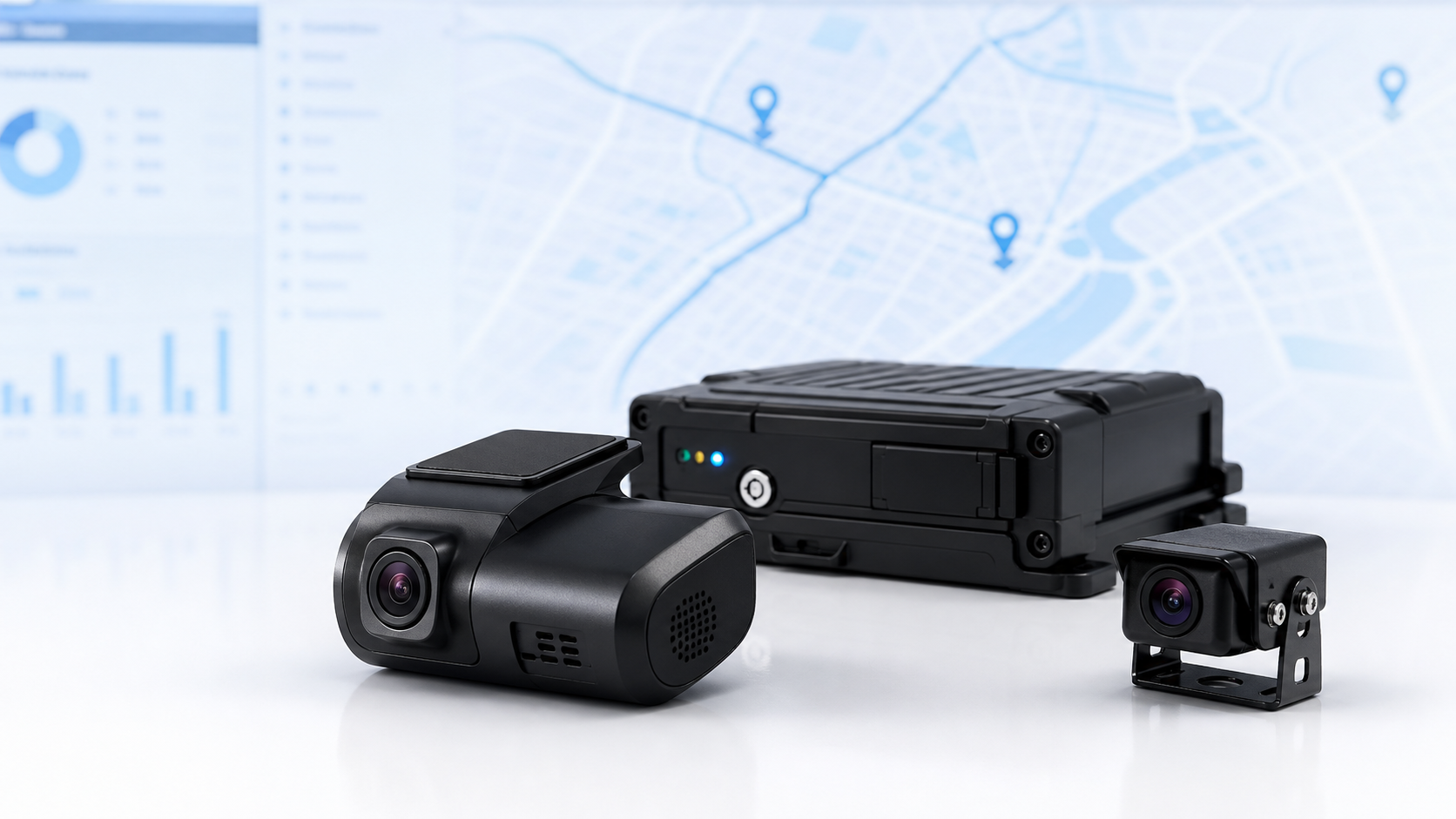
Video telematics hardware is selected when the fleet needs visual proof, safer incident review or camera coverage around the vehicle. In simple terms, it connects vehicle cameras and recorders to the fleet platform so teams can understand what happened before, during and after a road event.

Video Telematics

Hardware fit

Vehicle video hardware for incident evidence, driver safety, road context and multi-camera visibility.

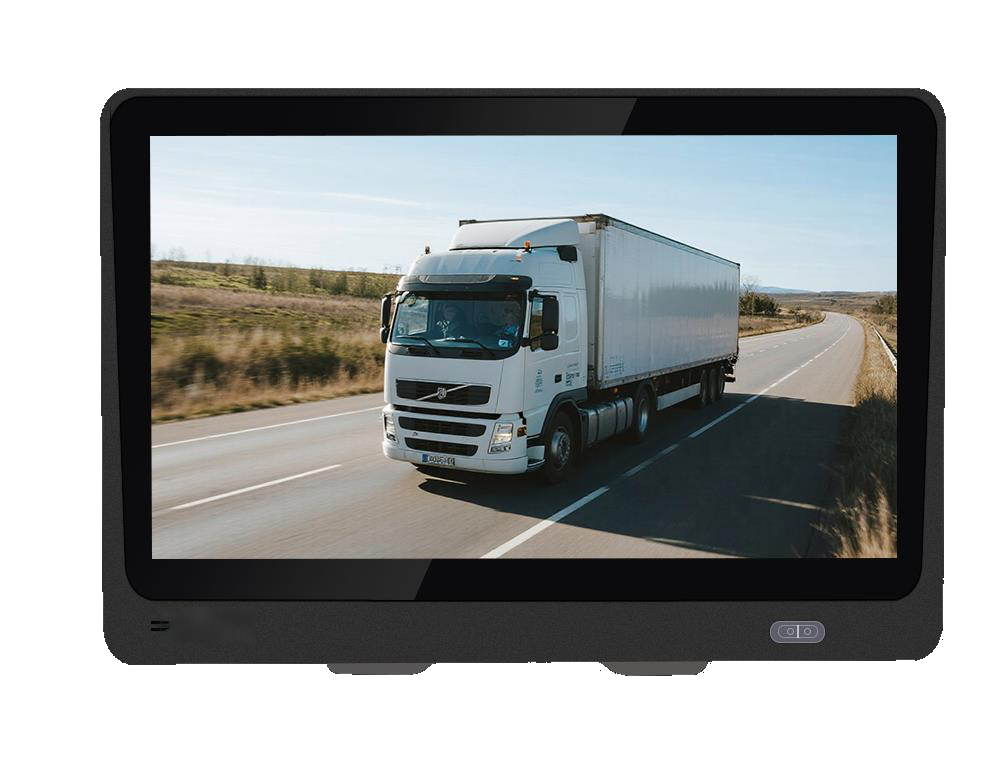
  • Rear-view mirror monitor and car DVR options
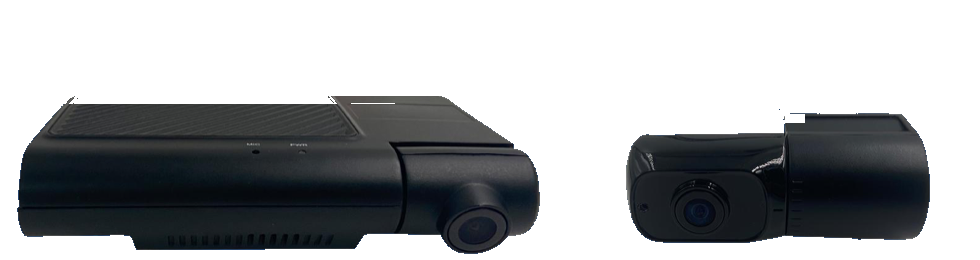
  • Dual-camera dashboard camera hardware
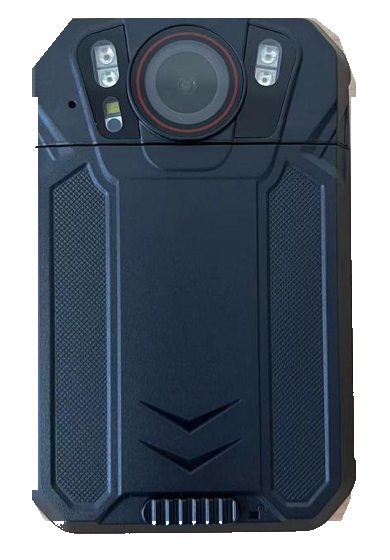
  • Body worn camera for mobile teams
  • 5-channel all-in-one vehicle video unit
  • 4G AI dashcam for connected video workflows
  • ADAS, DMS, BSD and AI event context explained in practical language

Video telematics explained

What ADAS, DMS, BSD and AI mean in fleet video

These terms sound technical, but the goal is simple: help drivers and fleet teams understand road risk, driver behaviour and vehicle surroundings with useful camera events.

ADAS

Advanced Driver Assistance System

ADAS uses road-facing cameras, visual sensors and software algorithms to monitor the road, detect hazards such as lane departure or short following distance, and alert the driver or fleet team before risk becomes an accident.
DMS

Driver Monitoring System

DMS focuses on the driver. It can help detect signs such as distraction, fatigue, phone use or looking away from the road, then create alerts for coaching and safer driving behaviour.

BSD

Blind Spot Detection

BSD monitors areas around the vehicle that are hard for the driver to see. It is useful for trucks, buses and vans during turns, lane changes and low-speed manoeuvres.

AI

Artificial Intelligence in video

AI means the camera system can recognise useful patterns in footage, such as risky events or driver behaviour, so teams do not need to manually watch every recording.

Device details

Models, notes and specification checks

These details come from the BCE Telematics hardware catalogue and are reviewed again before installation or ordering.

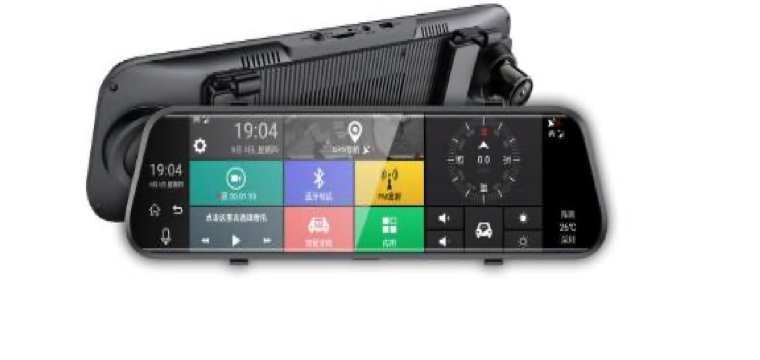
BCE-LT-01 Rear View Mirror Monitor
Device

BCE-LT-01 Rear View Mirror Monitor

Rear-view mirror style Android car DVR for in-cab display and camera view.

Device type
Rear-view mirror monitor / car DVR
Channels
2CH
Platform
Android 9.0
Primary use
In-cab monitor, DVR and camera viewing
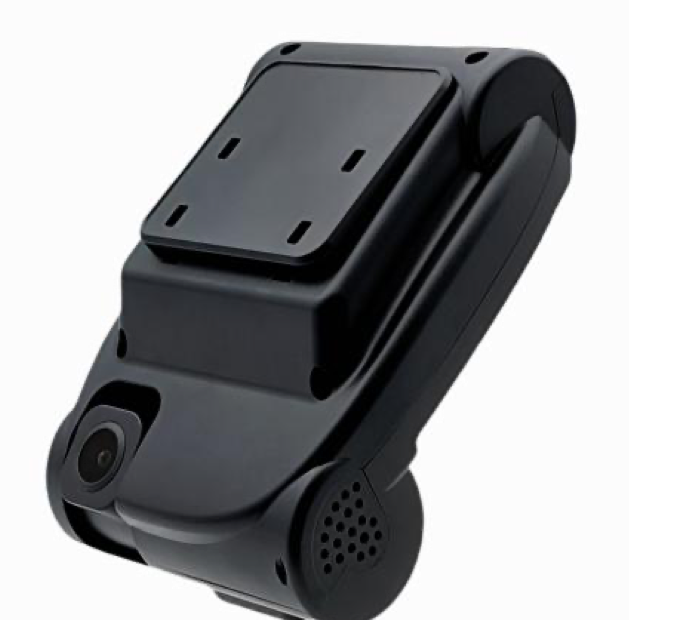
BCE-LT-02 Dual Camera Dashboard Camera
Device

BCE-LT-02 Dual Camera Dashboard Camera

Dual-camera dashboard camera for road and cabin video evidence.

Device type
Dual-camera dashboard camera
Camera layout
Road/cabin video context from one device
Primary use
Incident evidence, driver safety review and fleet video monitoring
BCE-LT-03 Body Worn Camera
Device

BCE-LT-03 Body Worn Camera

Rugged body worn camera for mobile teams and field workflows.

System
Android
CPU
4-core 1.5GHz
Screen
2.4 inch IPS touch screen
Video modes
1080p, 720p, VGA
Connectivity
4G, WiFi, Bluetooth, GPS
Protection
IP68, 2 meter drop proof
BCE-LT-04 5 Channel All-in-One Machine
Device

BCE-LT-04 5 Channel All-in-One Machine

Central 5-channel unit for multi-camera vehicle visibility.

Model reference
STM-8803-5
Device type
5-channel all-in-one machine
Project use
Driving assistance and multi-camera vehicle visibility
BCE-LT-05 4G AI Dashcam
Device

BCE-LT-05 4G AI Dashcam

Connected 4G AI dashcam for incident evidence and safety review.

Device type
4G AI dashcam
Primary use
Incident evidence, driver safety review and video telematics
Installation note
Mounting, power, recording and platform configuration checked per project

Project check

Hardware is selected after the vehicle, network and workflow are known.

Final model choice depends on region, mobile network availability, vehicle type, harness, sensors, camera positions and installation requirements.

CompatibilityTracker, accessory, sensor and platform logic are checked together.
InstallationPower, mounting, wiring and signal quality are reviewed before rollout.
Data validationLocation, ignition, sensor, CAN and event values are checked after first data arrives.